
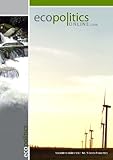
Advances in ecopolitics. Vol. 3 [electronic resource] / edited by Jonn [i.e. John] Barry.
Material type: TextSeries: Advances in ecopoliticsPublication details: Bingley, U.K. : Emerald, 2009Description: 1 online resource (ii, 100 p.)ISBN: 9781780526713 (electronic bk.) :Subject(s): Environmental policy | Political ecology | Nature -- General | The environmentAdditional physical formats: No titleDDC classification: 333.7 LOC classification: GE195 | .A38 2009Online resources: Click here to access online
 | Item type | Current library | Call number | URL | Status | Date due | Barcode | Item holds |
|---|---|---|---|---|---|---|---|
 eBook
eBook
|
Digital Library
Resources in this library are accessible in digital format e.g. eBooks or eJournals accessible online. |
GE195 .A38 2009 (Browse shelf(Opens below)) | Link to resource | Available |
Editor's introduction / Rupert Read -- Towards a green philosophy of money / Rupert Read -- The Green New Deal : restoring balance and stability to the global financial and ecosystem / Ann Pettifor -- Why the 'Green New Deal' requires a green new protectionism / Colin Hines -- A new financial architecture based on a global carbon standard / Molly Scott Cato -- The politics of money and credit as a route to ecological sustainability and economic democracy / Mary Mellor -- Book reviews / Richard Lawson.
This is a challenging time to be an academic with an interest in either the economy or the environment: we are being deluged with an over-supply of bad news. From the evidence of accelerating climate change to the increasingly desperate policies of fiscal stimulus and quantitative easing it is difficult enough to keep up with the jargon, never mind the policy. Academics tend to spend their careers looking backwards, analysing what is already safely established and categorized. The present crisis has deprived us of that luxury. Now more than ever our insights and our information are needed to save humanity from two interlinked crises that threaten our future. We need urgent solutions and we need co-operation: for this reason this issue includes contributions from academics and from campaigners. Many have questioned whether we have time to worry about the environment now that the financial crisis has become so pressing. What we seek to make clear in this special issue is that the two crises are in fact two aspects of the same crisis. It is a crisis of overconsumption, of debt-fuelled bingeing. It is a crisis of monetary-and-ecological debt; and of what happens when that debt starts to be called in.
Print version record
There are no comments on this title.