
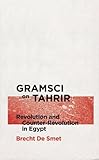
Gramsci on Tahrir Revolution and Counter-Revolution in Egypt / Brecht De Smet.
Material type: TextPublisher: Pluto Press, Description: 1 online resourceISBN: 9781783713455Subject(s): Philosophy / Social | PhilosophyGenre/Form: Electronic books.Online resources: View this content on Open Research Library. Summary: Coming in the wake of intense political and academic debate on the nature and development of the Arab Uprisings, Gramsci on Tahrir zeroes in on the complex dynamic of Egypt's revolution and counter-revolution. It shows how a Gramscian understanding of the revolutionary process provides a powerful instrument for charting the possibilities for an emancipatory project by the Egyptian subaltern classes. Central to De Smet's argument is Gramsci's interpretation of ‘Caesarism', an occasion in which two evenly matched political opponents reach a potentially catastrophic stalemate; such an interplay between these forces can only end in mutual destruction. In applying this to the Egyptian revolution, we see how the Egyptian state was bereft of strong hegemonies and the people were replete with capable counter-hegemonies. The current situation in Egypt demonstrates how both national histories and global power relations enable, define and displace popular resistance and social transformation.
| Item type | Current library | Call number | URL | Status | Date due | Barcode | Item holds |
|---|---|---|---|---|---|---|---|
 eBook
eBook
|
Digital Library
Resources in this library are accessible in digital format e.g. eBooks or eJournals accessible online. |
Link to resource | Available |
Access copy available to the general public. Unrestricted star
Coming in the wake of intense political and academic debate on the nature and development of the Arab Uprisings, Gramsci on Tahrir zeroes in on the complex dynamic of Egypt's revolution and counter-revolution. It shows how a Gramscian understanding of the revolutionary process provides a powerful instrument for charting the possibilities for an emancipatory project by the Egyptian subaltern classes. Central to De Smet's argument is Gramsci's interpretation of ‘Caesarism', an occasion in which two evenly matched political opponents reach a potentially catastrophic stalemate; such an interplay between these forces can only end in mutual destruction. In applying this to the Egyptian revolution, we see how the Egyptian state was bereft of strong hegemonies and the people were replete with capable counter-hegemonies. The current situation in Egypt demonstrates how both national histories and global power relations enable, define and displace popular resistance and social transformation.
Description based on print version record.
KU Select 2018: HSS Backlist Books
There are no comments on this title.